News Story
BIOE Mia Jocic Receives Clark School of Engineering Leadership Award

Mia Jocić, a senior in the Fischell Department of Bioengineering (BIOE), has been named a recipient of the A. James Clark School of Engineering Leadership Award, which recognizes students who demonstrate outstanding leadership that impacts engineering majors across the college.
The award highlights students who contribute to the broader Clark School community through leadership, service, and initiatives that extend beyond their own discipline. Jocic’s work through the Women in Engineering Program (WIE) and her involvement in interdisciplinary research and student organizations played a central role in her selection.
“I am honored to be selected for this award!” Jocic said. “I’d like to express my gratitude towards WIE and the Fischell Department of Bioengineering for supporting student organizations and initiatives that have allowed me to grow as a leader over the last four years.”
Jocic became involved with WIE during her first semester at the University of Maryland, where she said the program helped her transition from a medical gap year to a four-year university environment. Since then, she has taken on multiple leadership roles within the program, including tutor, peer mentor, and peer mentor coordinator.
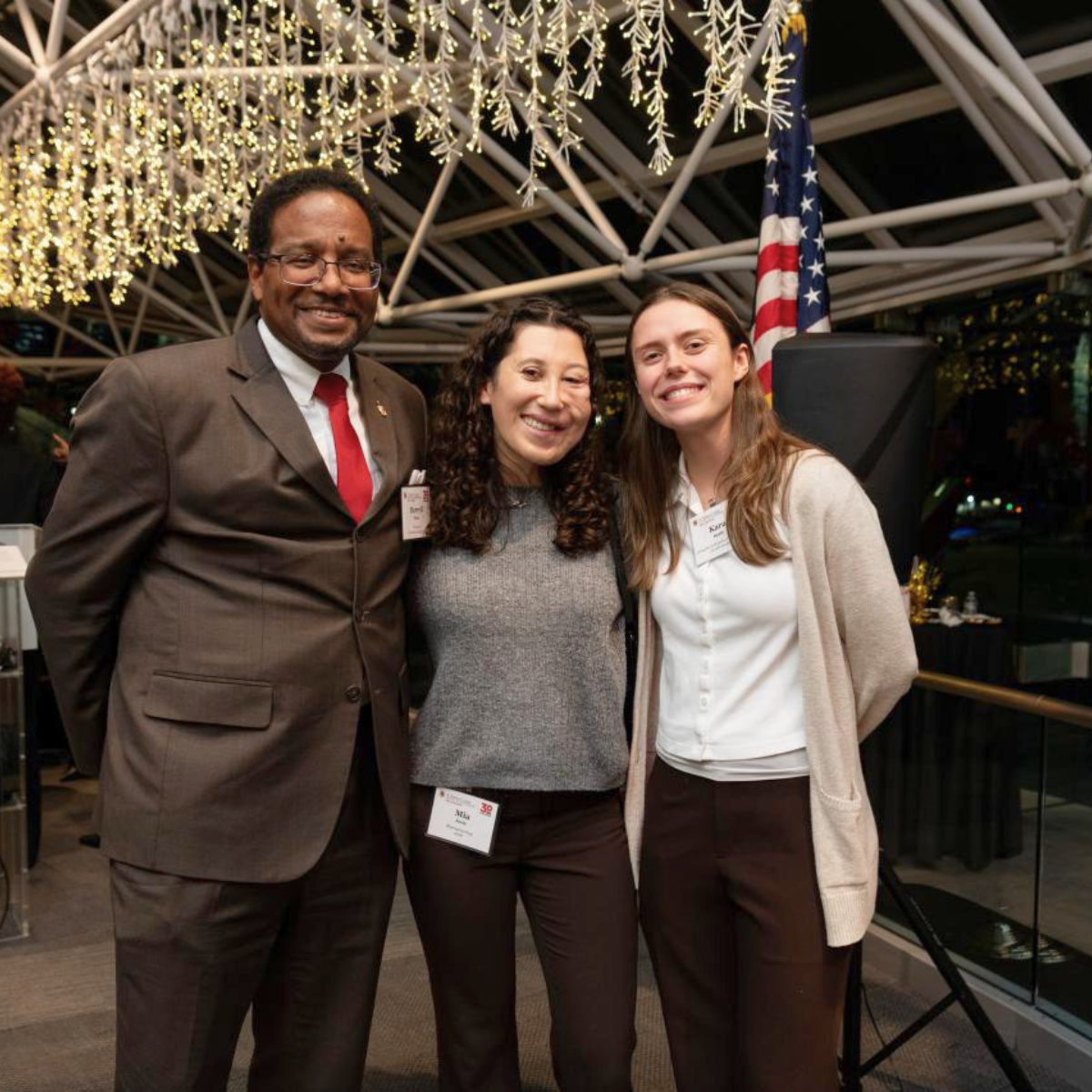
As a mentor coordinator, Jocic organized programming aimed at supporting students facing financial challenges. She led workshops that provided guidance on scholarship applications, helped students better understand financial aid offers, and introduced tools to streamline the scholarship search process. She also organized a panel of scholarship reviewers and financial aid experts, giving students the opportunity to ask questions and gain direct insight into available resources.
Her leadership experience at Maryland has also been shaped by coursework and academic programs focused on engineering leadership and ethics. Jocic is additionally pursuing the Science, Technology, Ethics, and Policy (STEP) minor, where she examined how engineering solutions are shaped by broader social, political, and cultural systems. Through the program, she explored how values are embedded in technologies, from physical infrastructure to engineering curricula, and developed a more comprehensive perspective on the role of engineers in society. Jocic noted ENES317, Introduction to Leadership in Engineering, Science, and Technology, taught by Office of Global Engineering Leadership lecturer Darren Pierre, as an influential course that introduced her to a range of leadership theories and prompted her to reflect on her own approach to leadership.
“It’s been especially meaningful to see underclassmen stay in engineering through periods of hardship or doubt,” Jocic said. “Staying actively involved with the Women in Engineering Program feels like my way of paying forward the mentorship I received as a freshman.”
In addition to her work with WIE, Jocic was involved in the 2024 UMaryland iGEM team, a multidisciplinary, student-led research group that develops solutions to global challenges using synthetic biology. She contributed to the team’s CerviCare project, which focused on creating a paper-based screening tool to address disparities in cervical cancer detection.
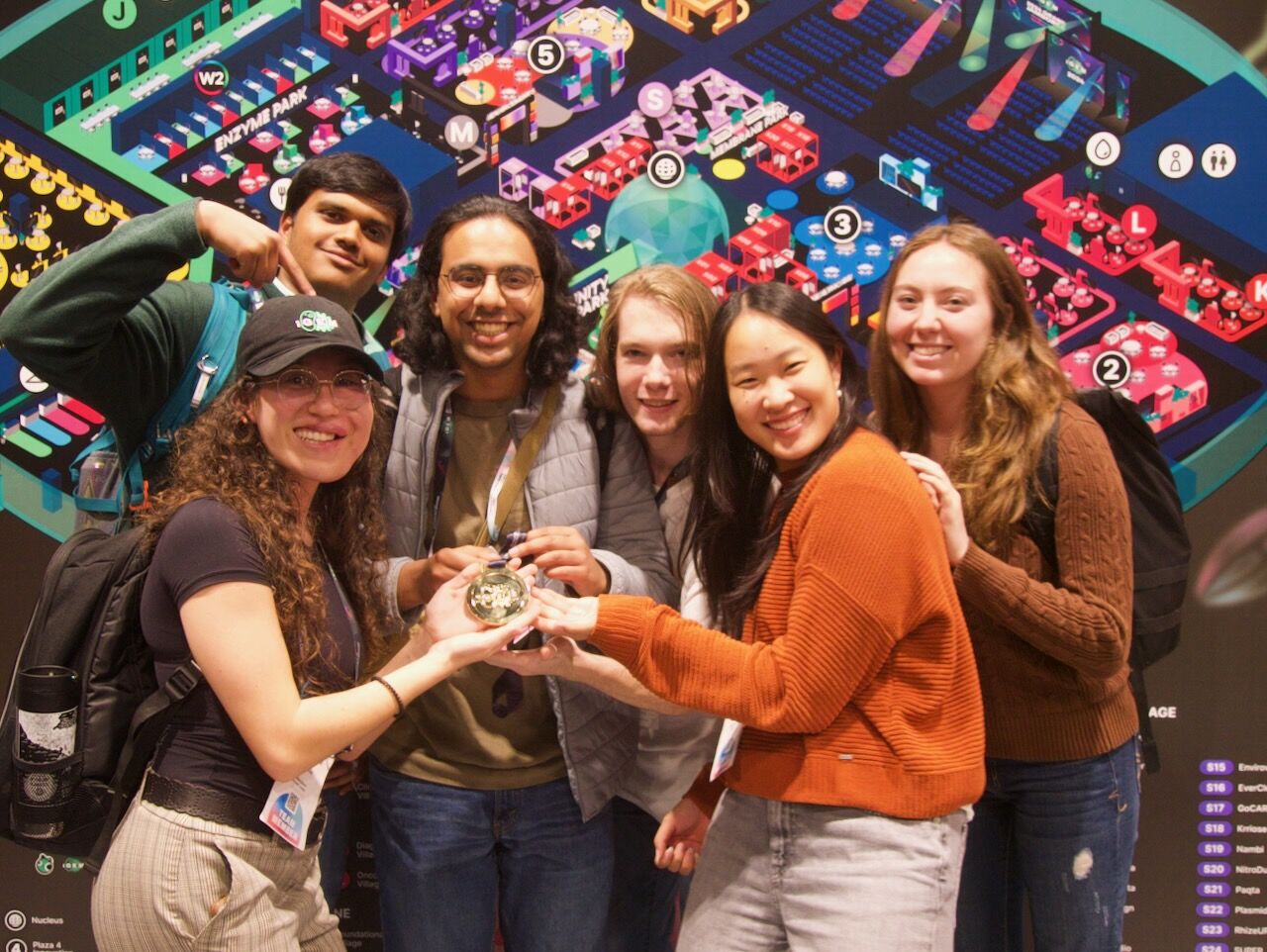
During her time on the team, Jocic transitioned from wet lab chair to integrated human practices chair, where she focused on stakeholder engagement and project development. She helped build connections with more than 40 technical advisors and worked with students across disciplines to prepare the team’s presentation at the iGEM Grand Jamboree in Paris.
Through these experiences, Jocic developed an interest in bridging technical work with communication and collaboration. She said working across disciplines and engaging with stakeholders helped shape her understanding of how engineering solutions can better serve communities.
Jocic has also gained industry experience through internships with MilliporeSigma and Clasp Therapeutics , where she worked on projects ranging from mRNA characterization methods to developing research and development reagents. These experiences, combined with her academic and leadership work, have informed her interest in pursuing a career that integrates technical expertise with collaborative and people-focused approaches.
“When I speak to newly admitted students and underclassmen, they often seem pressured to be involved in technical extracurriculars that directly correspond to their engineering discipline. This is a feeling I could definitely relate to when I came into college. It’s important, however, to ensure that you aren’t neglecting your hobbies and interests in pursuit of early career advancement.” Jocic said. “Instead of resume or application driven student involvement, try to explore experiential activities and programs on campus that you are curious about.”
Published April 10, 2026
Related Stories
Stories / May 29, 2026
BIOE Announces Spring 2026 Instructional Impact Awards
Stories / May 13, 2026
2026 Invention of the Year: Engineering Projects Top List

Stories / February 23, 2026
BIOE Announces Fall 2025 Instructional Impact Awards

Stories / June 16, 2025
BIOE Announces Spring 2025 Instructional Impact Awards
Stories / February 3, 2025
Callie Weber Earns Third Place in Dean's Ph.D. Research Award...
Stories / January 23, 2025
BIOE Announces Fall 2024 Instructional Impact Awards
Stories / June 28, 2024
BIOE Announces Spring 2024 Instructional Impact Awards
Stories / March 14, 2024
Two BIOE Students Win Outstanding Graduate Assistant Awards
Stories / September 29, 2026
BIOE Celebrates Five Award Recipients at Ninth Annual 2026 EPIC...
Stories / September 3, 2026
UMD Convocation will honor five from the Clark School