News Story
Mickey Dale Symposium Advances the Future of Organ Transplantation

On Oct. 2, surgeons, engineers, and researchers gathered at 4MLK in Baltimore to tackle a shared question: how to build a future in which no one waits for an organ.
The inaugural Mickey Dale Family Foundation Engineering the Future of Organ Transplantation Symposium, held in the building’s second-floor assembly space, was hosted by the Edward and Jennifer St. John Center for Translational Engineering and Medicine (CTEM), the Fischell Department of Bioengineering, and the University of Maryland School of Medicine (UMSOM) Department of Surgery, Division of Transplantation. The afternoon program was designed to highlight groundbreaking research, support emerging scholars, and improve transplantation outcomes through collaboration.
“Surgeons see every day where transplantation falls short, and engineers know how to build what does not exist yet,” said Raphael P. H. Meier, M.D., Ph.D., associate professor of surgery and director of transplant oncology at UMSOM, and a liver, kidney, and pancreas transplant surgeon at the University of Maryland Medical Center, who co-organized and co-moderated the program with former BIOE department chair and Director of the Bioengineering & Life Sciences Initiative (BELS) at the University of Notre Dame, John P. Fisher. “Thanks to the vision of the Dale family, this symposium put both groups in one room with the people who are redefining the field. That is how we will reach a future where no one waits for an organ.”
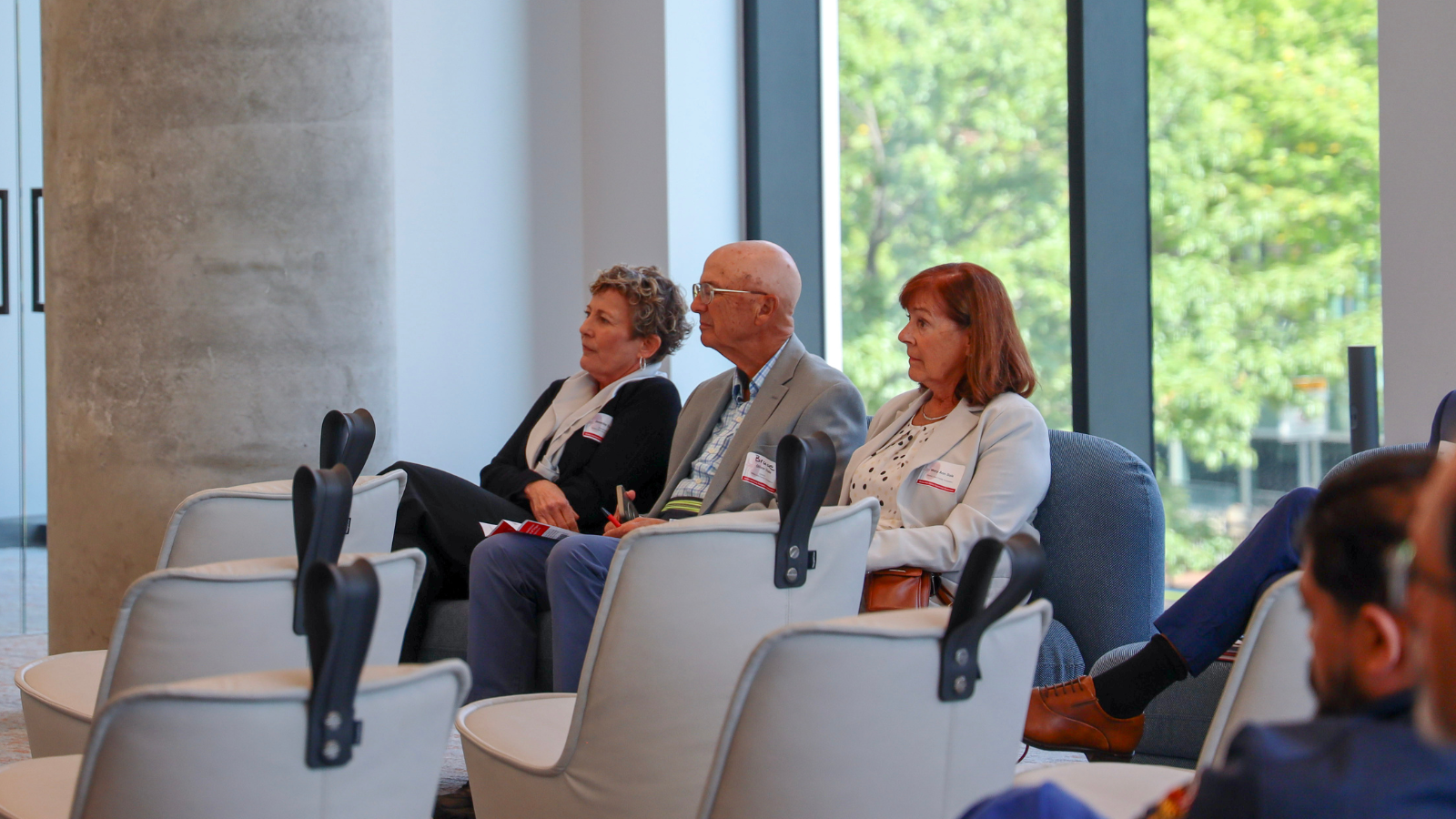
The Mickey Dale Family Foundation traces its roots to 2000, when it was established in memory of Mickey Dale to support education and life-saving research. Jennifer Dale, who has led the foundation since 2023, opened the afternoon on the foundation's behalf. She is the daughter of Mickey Dale (M.Eng. ’68) and Bruce Dale (M.S. ’67, mechanical engineering), a Clark School alumnus. Since its founding, the foundation has supported students and academic programs at the University of Maryland, Gallaudet University, and the College of Southern Maryland.
Under Jennifer Dale’s leadership, it has turned its attention to the global organ shortage. In 2023, the foundation gave $60,000 to the University of Maryland School of Public Health to create a graduate fellowship for students working to change attitudes and practices around organ, tissue, and cell transplantation. “It may take 20 to 30 years, but we see a world where donating a kidney or bone marrow is as common as donating blood is today,” she said. The foundation’s work then expanded into engineering, with the 2025 launch of the endowed graduate fellowship in bioengineering.
Three Guest Speakers Share Their Vision for the Future of Transplantation
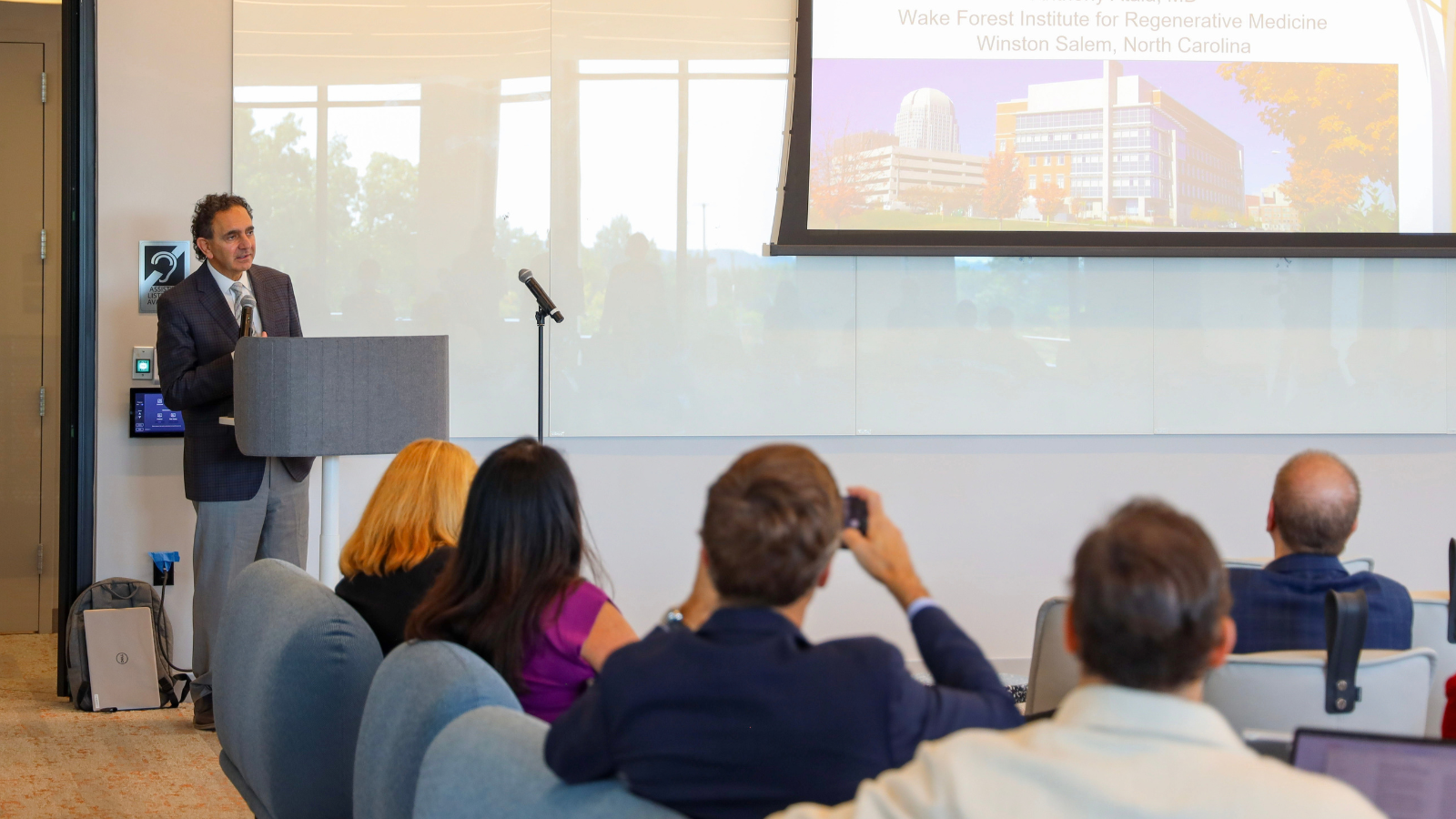
Anthony Atala, M.D., the W.H. Boyce Professor of Urology, founding director of the Wake Forest Institute for Regenerative Medicine and chair of the Department of Urology at Wake Forest School of Medicine, presented “Regenerative Medicine: Current Concepts and Changing Trends.” His research focuses on engineering tissues and organs to address unmet clinical needs. His team developed a bioengineered urinary bladder that was implanted in human patients, an achievement that helped advance the field of regenerative medicine toward clinical applications.
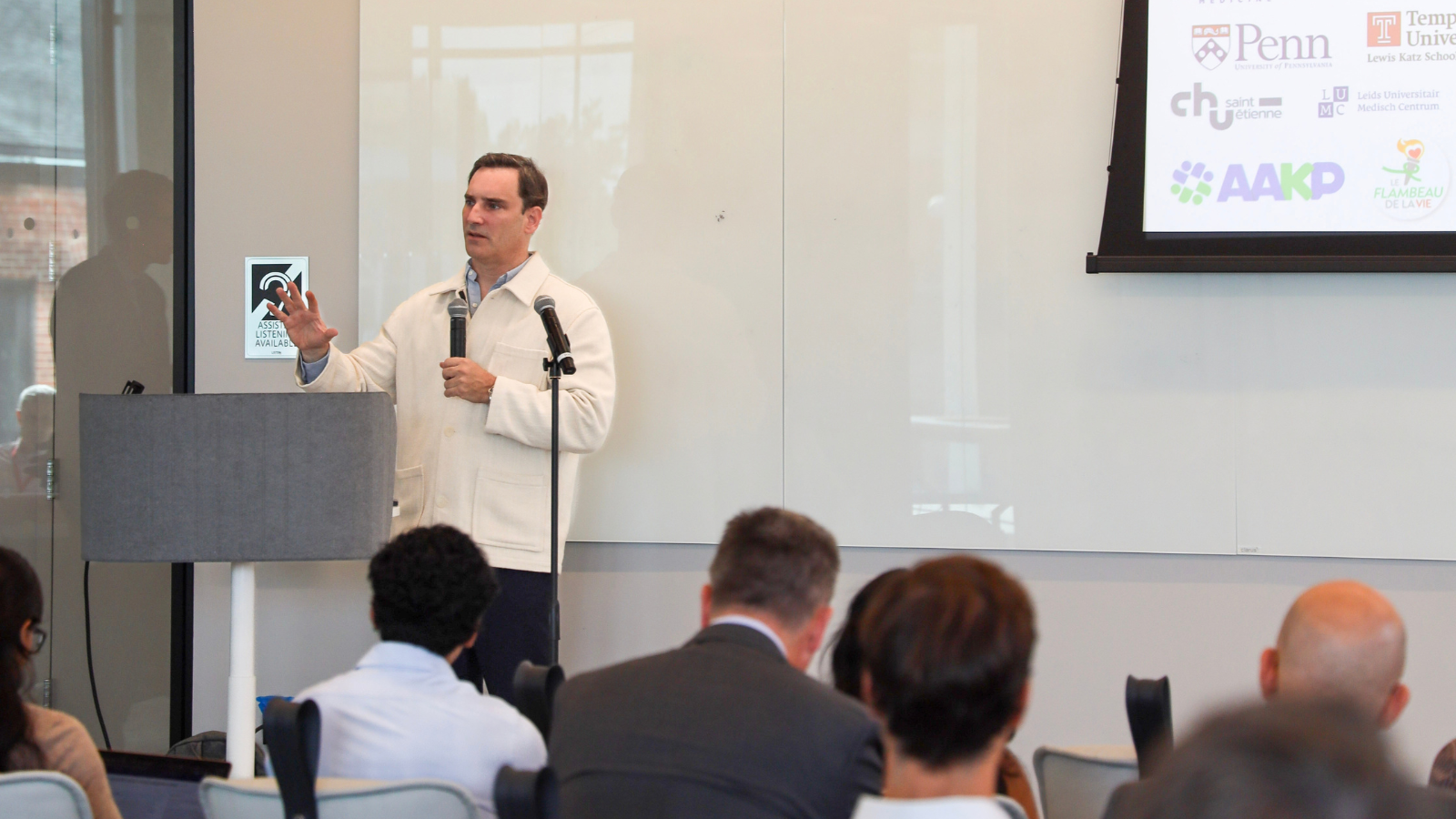
“Surgeons see every day where transplantation falls short, and engineers know how to build what does not exist yet. Thanks to the vision of the Dale family, this symposium put both groups in one room with the people who are redefining the field. That is how we will reach a future where no one waits for an organ.”
-Raphael P. H. Meier
Alexandre Loupy, M.D., Ph.D., founder and director of the Paris Institute for Transplantation and Organ Regeneration (PITOR) and a professor of medicine at Université Paris Cité and Necker Hospital (AP-HP), followed with “Multimodality Approaches of Transplantation: From Research to Intelligent Decision Support Systems.” His work combines clinical research, molecular pathology, and computational methods to improve the assessment of transplant rejection and long-term outcomes. His team developed the iBox prediction system, an internationally validated tool designed to estimate long-term kidney transplant survival. The European Medicines Agency has qualified it as a secondary endpoint for kidney transplant clinical trials.
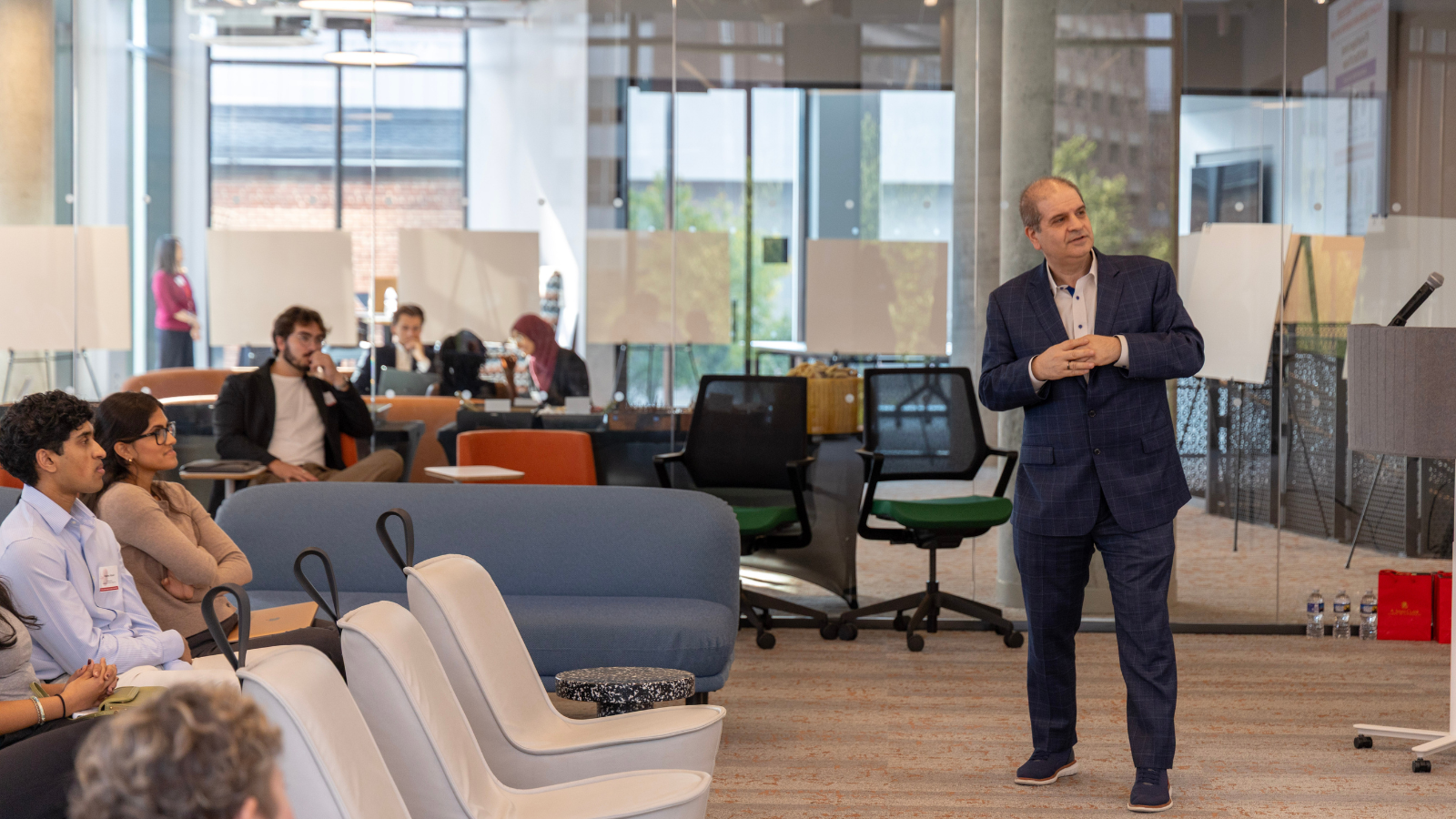
Elias T. Zambidis, M.D., Ph.D., a professor of oncology and pediatrics at the Johns Hopkins University School of Medicine and principal investigator in its Institute for Cell Engineering, presented “A New Class of Human Totipotent Embryonic Stem Cells for Advancing Regenerative Medicine.” His research investigates stem cell biology and approaches to developing cell-based therapies for diseases affecting the blood, immune system, and other tissues. The work represents another avenue through which researchers are exploring the potential to repair or replace damaged tissue.
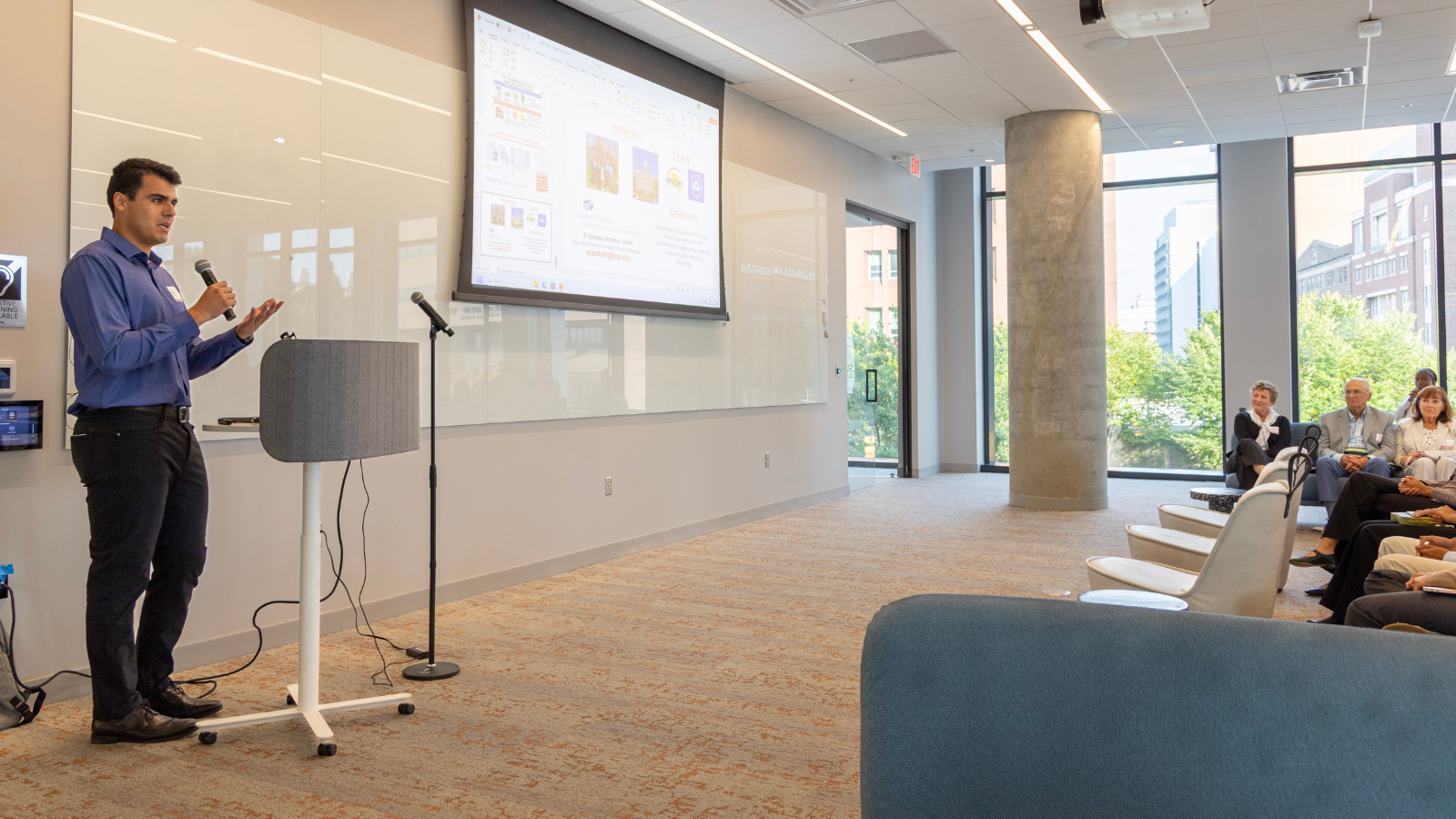
The symposium wrapped with remarks from Martin Carrasco, the inaugural recipient of the Mickey Dale Family Foundation Endowed Distinguished Graduate Fellowship in Bioengineering. A Ph.D. candidate in BIOE co-mentored by Fisher and Meier, Carrasco is developing a two-chamber kidney bioreactor in Fisher’s lab. The platform is designed to culture kidney-specific cells in a biomimetic environment, recreating key physiological conditions to help mature cells and advance research toward engineered kidney tissue.
“It's very inspiring to see how the intersection of engineering and medicine can solve some of the biggest challenges in transplantation. This symposium was a unique opportunity to hear directly from the surgeons and engineers who are pushing the field forward,” Carrasco said.
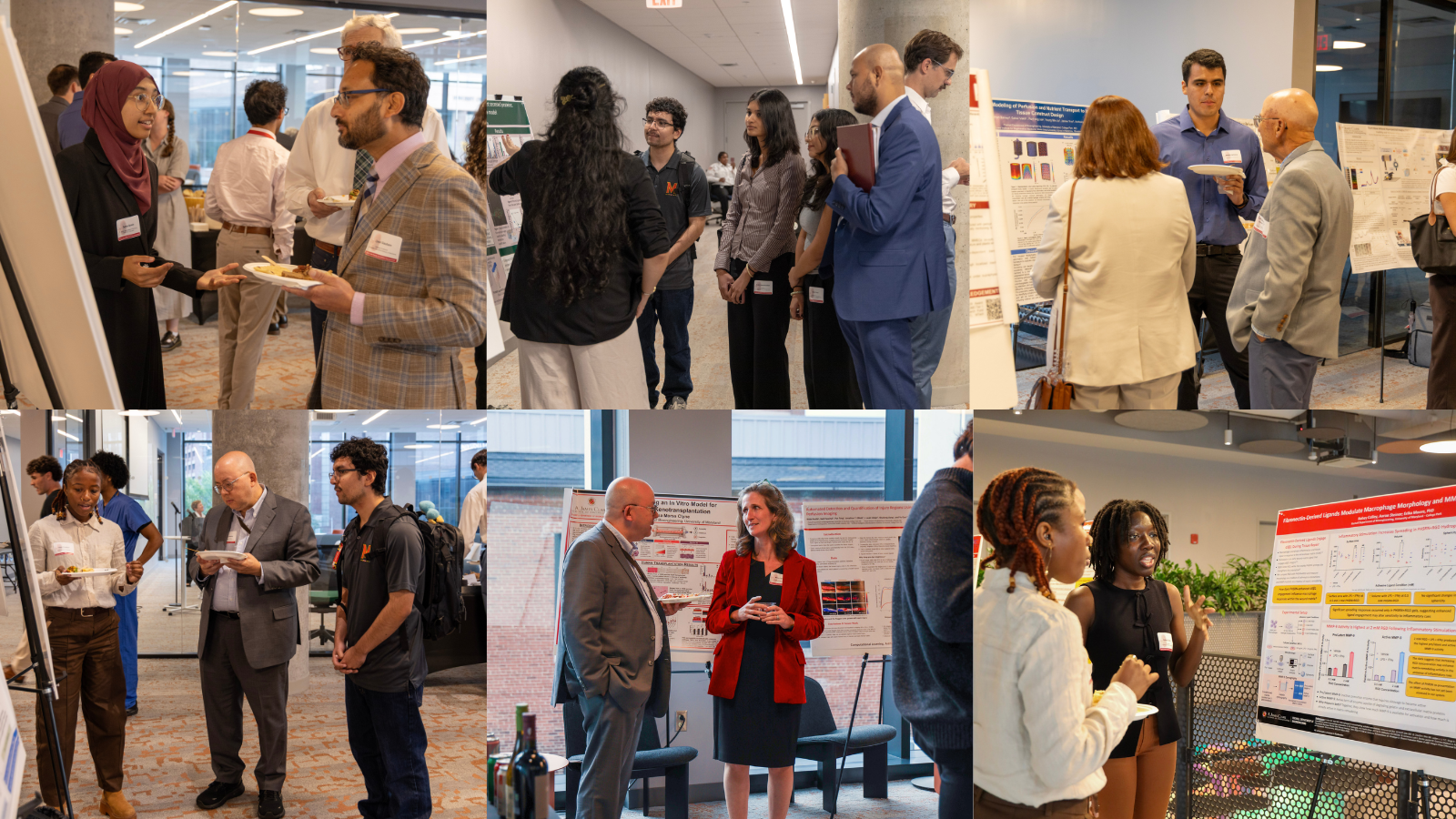
The afternoon concluded at 5 p.m. with a reception and graduate student poster session, hosted by Carrasco. Student researchers presented projects aimed at improving patient care, advancing medical technologies and developing solutions that could transform health care outcomes. The setting gave attendees a chance to explore the work up close, meet the next generation of researchers and start conversations that could lead to new collaborations, a goal the foundation has set for its symposium series.
More information is available at go.umd.edu/mickeydale-symposium, and details on the foundation’s mission are at mickeydalefamilyfoundation.com.
Published October 21, 2026
Recent Stories
Stories / Oct 21, 2026
Mickey Dale Symposium Advances the Future of Organ...

Stories / Oct 6, 2026
FDA Awards Sochol-Led Team $873K to Build Retina Models

Stories / Oct 5, 2026
Mueller Lab Receives Two NIH Grants to Advance Low-Cost Cancer...

Stories / Sep 29, 2026
BIOE Celebrates Five Award Recipients at Ninth Annual 2026 EPIC...

Stories / Sep 25, 2026
UMD Bioengineering Undergraduate Program Continues Strong...

Stories / Sep 22, 2026
Two Years Running, Maryland #12 Among Publics for Undergrad...

Stories / Sep 21, 2026
Ribbon-cutting Celebrates Baltimore Center Where Engineers,...

Stories / Sep 16, 2026
New Faculty Members for 2026-27 Engineer for the Public Good

Stories / Sep 14, 2026
Project, Problem, Solution: MATRIX Interns Make an Impact

Stories / Sep 10, 2026
BIOE Announces Faculty Promotions and Appointments
