News Story
BIOE Announces Spring 2026 Instructional Impact Awards
The Fischell Department of Bioengineering (BIOE) at the University of Maryland (UMD) announced the three recipients of the Instructional Impact Awards for the Spring 2026 semester. Lecturer Kyung Koh, doctoral candidate Ryan McIlvaine, and graduating senior Kevin Zhang were selected as recipients of this semester’s department Impact Awards. These student-nominated awards honor one faculty member, one graduate teaching assistant (GTA), and one undergraduate teaching fellow (UTF) each semester for their dedication to student learning, mentorship, and academic success.
Faculty Instructional Impact Award
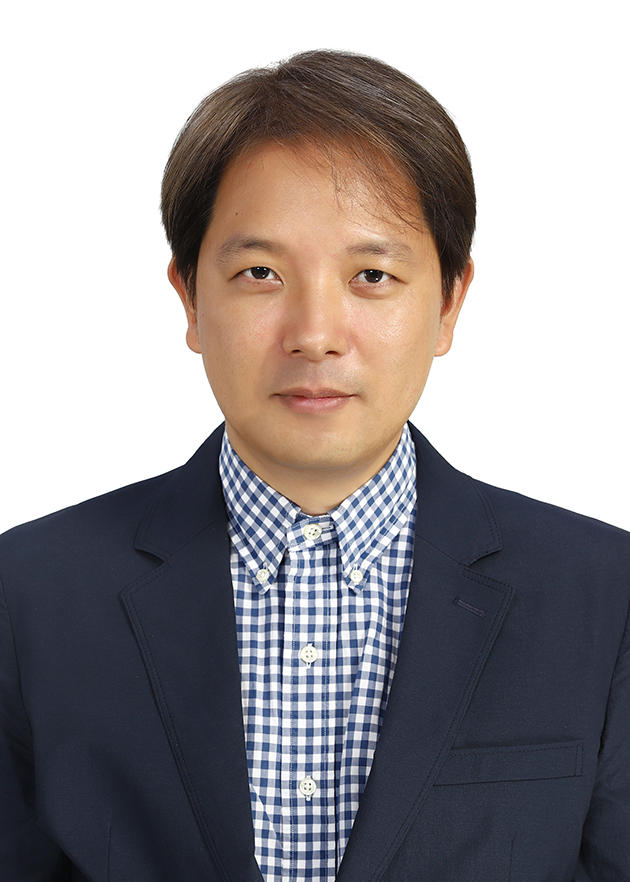
Kyung Koh
Lecturer
BIOE Lecturer Kyung Koh received the Faculty Instructional Impact Award for his commitment to creating an inclusive and engaging classroom environment where students can build confidence in complex engineering concepts. Through his teaching, Koh focuses on helping students connect theoretical coursework to practical applications, particularly in courses involving computational and mathematical modeling.
Koh emphasizes hands-on learning experiences that allow students to apply abstract concepts to real-world engineering problems. By incorporating assignments and projects using programs such as MATLAB, he encourages students to actively engage with course material while strengthening their technical problem-solving skills. His teaching approach is centered on helping students move beyond memorization and develop a deeper understanding of the mathematical foundations behind bioengineering systems.
“My favorite part of teaching is striving to create an inclusive classroom environment where absolutely everyone learns something meaningful,” Koh said. “I especially love witnessing that moment when students finally grasp complex, conceptual subjects, like the math behind bioengineering, after initially finding it difficult to understand.”
Students recognized Koh for his ability to make challenging material approachable and for the supportive atmosphere he creates in the classroom. Through practical activities and interactive learning opportunities, he helps students gain confidence while connecting coursework to real-world applications in engineering and research.
“I just want to express my deepest gratitude to our wonderful bioengineering students for their hard work and dedication,” Koh said. “It is an absolute pleasure to teach them.”
GTA Instructional Impact Award
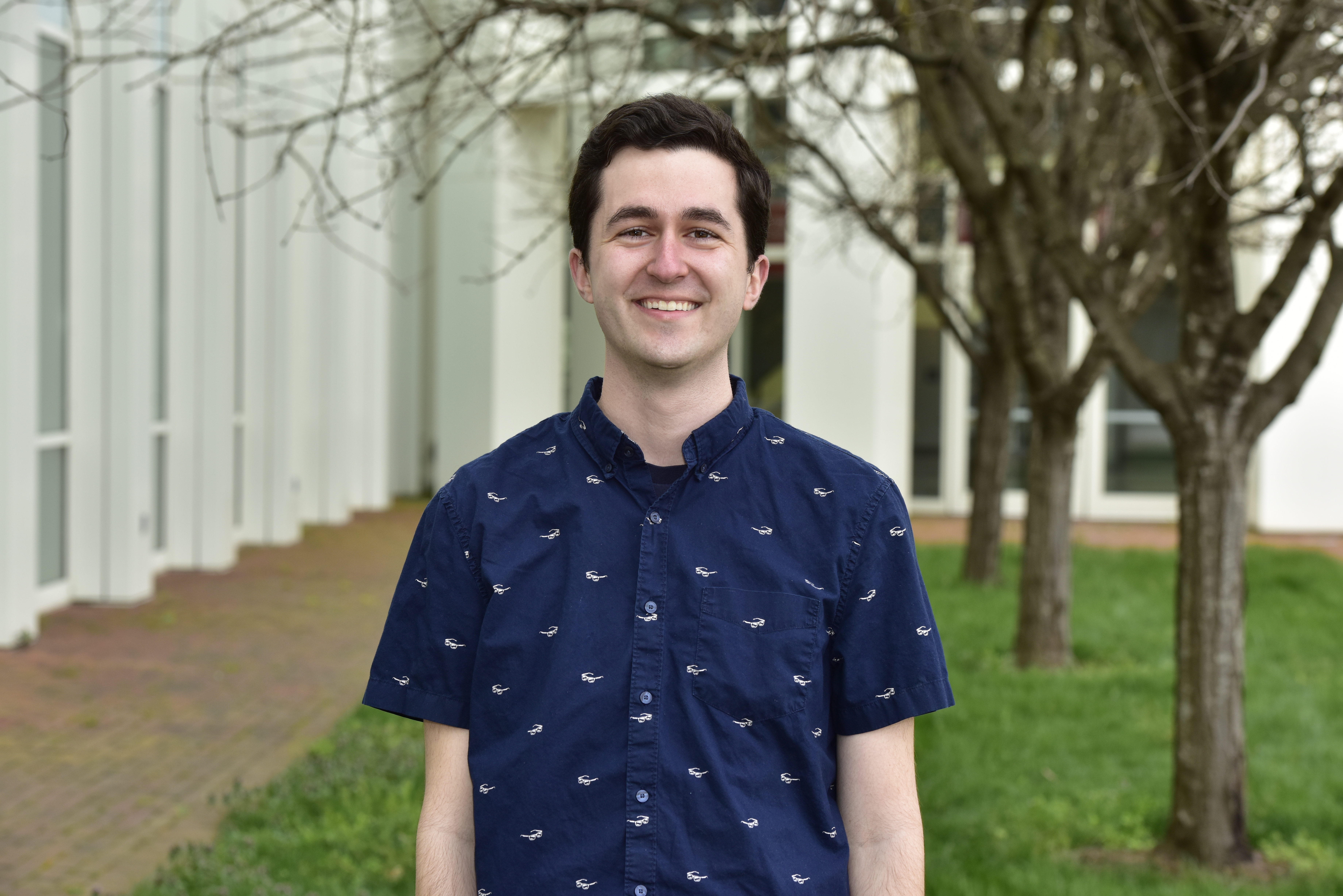
Ryan McIlvaine
Doctoral Candidate
BIOE doctoral candidate Ryan McIlvaine received the Graduate Instructional Impact Award for his dedication to student learning and mentorship across introductory biology and graduate-level bioengineering courses. McIlvaine is currently in his fourth year in the lab of Fichell Institute Professor Christopher Jewell, where his research focuses on how biomaterials interact with the immune system to develop therapies for autoimmune diseases and infectious disorders.
A major focus of his work involves designing strategies to retrain immune cells in diseases such as multiple sclerosis and type 1 diabetes, with the goal of stopping harmful immune responses without suppressing the immune system as a whole. In recognition of his research contributions, McIlvaine was named an NIH T32 fellow for his work studying B-cell modulation in type 1 diabetes.
Alongside his research, McIlvaine has developed a strong commitment to teaching and evidence-based education. He completed the University Teaching & Learning Program at UMD, a certificate program focused on research-informed pedagogy and inclusive teaching practices. His teaching experience includes serving as a teaching assistant for BIOE120: Biology for Engineers and co-instructing BIOE689W: Mastering Scientific Writing: From Grants to Publications.
McIlvaine approaches teaching as a collaborative process centered on communication, consistency, and student growth. He believes strong teaching begins with modeling the same behaviors he hopes to see in students.
“I care deeply about my teaching and my interactions with students, and it's very special to know that they recognize that, and that what I'm doing has had an impact.”
Students recognized McIlvaine for creating a welcoming and encouraging classroom environment where they felt comfortable asking questions and seeking help. Nominations highlighted his ability to explain complex concepts clearly and intuitively, as well as the supportive atmosphere he fostered during class and review sessions.
“I expect students to work hard, communicate regularly, and collaborate to tackle assignments and master the material,” McIlvaine said. “Doing the same thing in my teaching and in interactions with students both demonstrates my expectations and also shows that I care about their success by putting in the same work.”
McIlvaine also values the constantly evolving nature of teaching and the opportunity to connect with different groups of students each semester.
“Teaching is always different and unique, even if you're teaching the same topic,” he said. “There are always new questions or ways to change things, and interacting with different groups of students changes the dynamic every time.”
UTF Instructional Impact Award
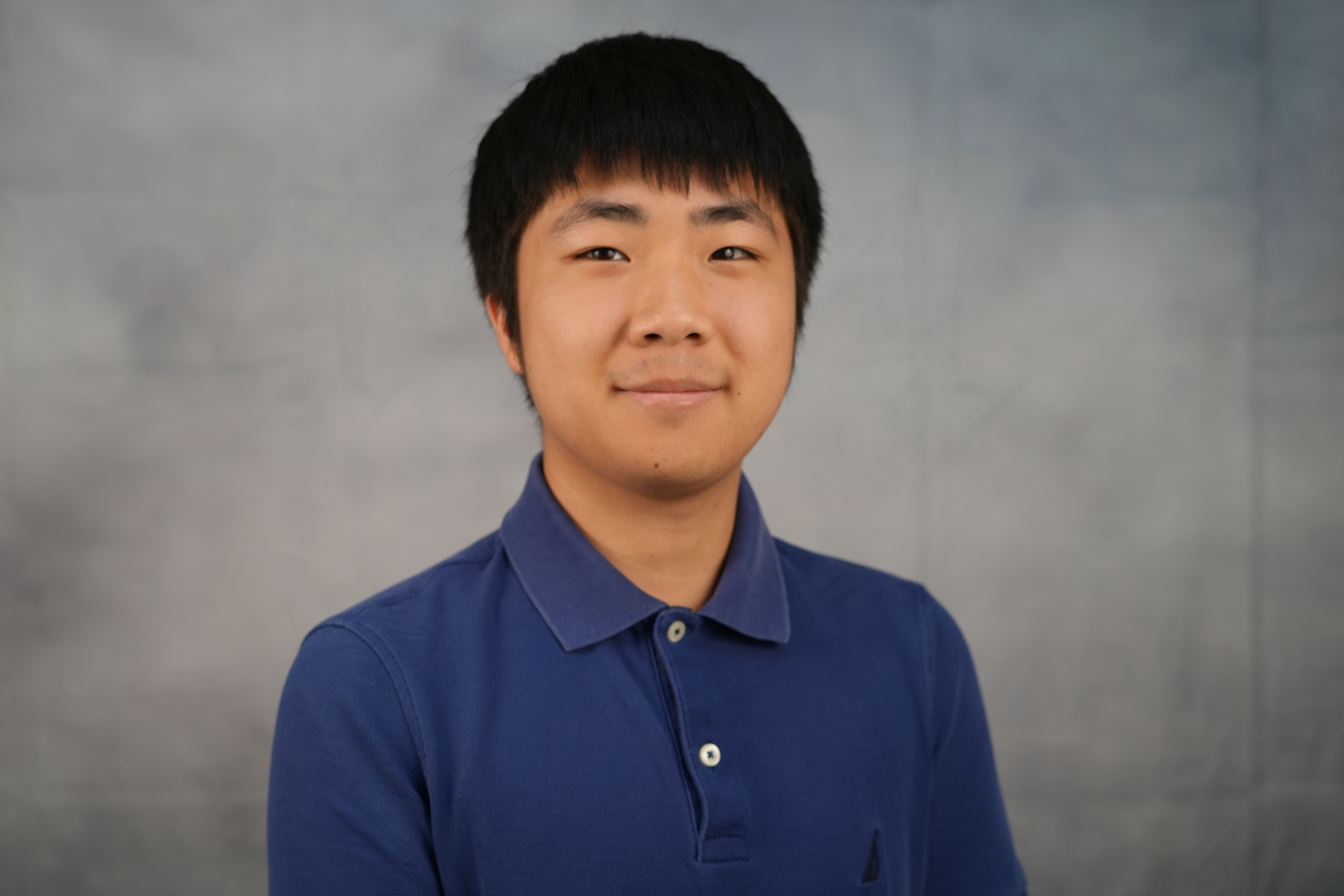
Kevin Zhang
Senior Undergraduate
BIOE Undergraduate Teaching Fellow Kevin Zhang received the Undergraduate Instructional Impact Award for his dedication to supporting student learning in BIOE241 and for fostering a collaborative and welcoming classroom environment. Zhang recently graduated Summa Cum Laude with a degree in bioengineering and a minor in computer science.
Students recognized Zhang for his clear communication, responsiveness, and patience in helping them work through difficult concepts. Nominations highlighted his ability to break down technical material into more approachable parts and his willingness to provide additional support through office hours, project guidance, review sessions, and individualized feedback.
Outside the classroom, Zhang participated in a wide range of research and student activities throughout his time at UMD. For the past two years, he worked as a Joint Institute for Food Safety and Applied Nutrition (JIFSAN) research intern through a joint UMD and Food and Drug Administration program, developing new experimental models, including enteroid and gut-on-a-chip systems, to study Cyclospora cayetanensis propagation. He also conducted research as part of the UMD iGEM team, which earned a gold medal at the 2024 iGEM Jamboree for its cervical cancer screening project, CerviCare.
Zhang was also a member of BIOE Capstone Team 11: P.R.E.S.S. (Perfusion Refill Evaluation for Septic Shock), which received the BIOE MPower Award for exemplary collaboration between the University of Maryland, College Park and the University of Maryland, Baltimore. Following graduation, he will join the National Institutes of Health as a Postbaccalaureate Fellow conducting immunotherapy research in Senior Investigator Mitchell Ho’s Lab.
As a teaching fellow, Zhang focused on creating approachable and supportive learning spaces for students, particularly those encountering programming and MATLAB for the first time. He regularly adapted lessons and discussions based on student feedback, helping students bridge the gap between lecture material and practical application.
“One of my primary goals was to make discussions and office hours collaborative, lighthearted environments where students could freely and comfortably express concerns about course content,” Zhang said. “By the end of the semester, it truly felt as though we had moved beyond a professional TA and student relationship, instead becoming equal peers in the BIOE program, supporting each other's academic growth.”
Students recognized Zhang for his patience, accessibility, and ability to explain difficult concepts in clear and approachable ways. He frequently provided additional practice problems, mini-review lectures, and one-on-one support during office hours to help students build confidence in programming concepts.
“For BIOE241 in particular, the class is often students’ first introduction to MATLAB and programming as a whole,” Zhang said. “To help mitigate this, I often started discussions by briefly covering each week's lecture content and asking students directly how they felt on each subject to gauge understanding.”
Zhang also credited BIOE Assistant Professor Nan Xu for helping create a strong and collaborative learning environment throughout the course.
“Ultimately, it was Dr. Xu’s meticulous organization of the course and collaborative leadership that created a foundation that allowed me to be successful as a TA,” Zhang said.
Published May 29, 2026
Related Stories
Stories / February 23, 2026
BIOE Announces Fall 2025 Instructional Impact Awards
Stories / June 16, 2025
BIOE Announces Spring 2025 Instructional Impact Awards
Stories / January 23, 2025
BIOE Announces Fall 2024 Instructional Impact Awards
Stories / June 28, 2024
BIOE Announces Spring 2024 Instructional Impact Awards
Stories / May 13, 2026
2026 Invention of the Year: Engineering Projects Top List

Stories / October 10, 2025
Stroka Appointed Associate Chair for Undergraduate Studies and...
Stories / September 3, 2026
UMD Convocation will honor five from the Clark School
Stories / August 4, 2026
Kuo Lab Hosts Future Bioengineers
Stories / June 25, 2026
Grand Challenges 2.0: Engineers Partner to Unlock Solutions

Stories / June 4, 2026
BIOE Graduate Program Receives Mentoring Excellence Award